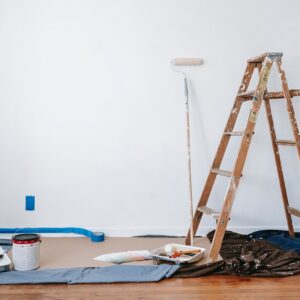
Remodeling your home can be an exciting and rewarding experience. However, it can also be overwhelming and stressful if you don’t know where to start. Before you begin any home remodeling project, it’s essential to have a plan in place to ensure that you get the results you want within your budget and timeframe. In this article, we will provide you with a step-by-step guide on where to start on a remodeling project.
- Decide on a budget
The first step in any remodeling project is to determine your budget. It’s essential to have a realistic budget in place before you start any work to avoid overspending. Your budget will depend on the scope of your project, the materials you choose, and the contractor you hire.
To determine your budget, you should consider the following factors:
• The scope of the project: Will you be doing a complete renovation or just making minor updates?
• The materials you choose: Higher-end materials will increase your budget, so it’s important to choose materials that fit your budget.
• The contractor you hire: Different contractors charge different rates, so it’s important to get multiple quotes to find one that fits your budget.
Once you have a budget that you have decided on, you can start to make plans for your project with this budget in mind.
- Determine your goals
Before you begin any remodeling project, you should determine your goals. What do you want to achieve with this project? Do you want to increase the value of your home? Do you want to create a more functional space? Do you want to update the look of your home?
Once you have your goals in mind, you can start planning your project accordingly. You should also consider any specific needs or preferences you have, such as if you need a home office or want to create a more open floor plan.
- Research
Once you have a budget and goals in mind, it’s time to start researching. You should research different materials, contractors, and design ideas to get a better understanding of what you want for your home.
When researching materials, consider the durability, maintenance, and cost of each option. When researching contractors, read reviews and ask for references to ensure that you hire someone who is reliable and trustworthy.
When researching design ideas, consider your budget, goals, and personal preferences. Look for inspiration online or in home design magazines to get a better idea of what you want for your home.
- Come up with a plan
Once you have done your research, it’s time to formulate a plan. Your plan should outline the scope of your project, your budget, your goals, and your timeline.
Your plan should also include a detailed list of the materials you will need and the contractor you will hire. If you plan to do any work yourself, make sure you have the necessary tools and skills to complete the project.
- Get quotes
Once you have a plan in place, it’s time to start getting quotes from contractors. You should get multiple quotes from different contractors to compare prices and ensure that you are getting a fair deal.
When getting quotes, make sure that the contractor understands the scope of your project and your budget. You should also ask for references and read reviews to ensure that the contractor is reliable and trustworthy.
- Hire a contractor
Once you have received multiple quotes and have found a contractor that fits your budget and needs, it’s time to hire them. Make sure that you have a contract in place that outlines the scope of the project, the timeline, and the payment schedule.
You should also make sure that the contractor is licensed and insured to protect yourself from any liability.
- Start the project
Once you have hired a contractor, it’s time to start the project. Make sure that you communicate with the contractor regularly to ensure that the project is progressing as planned.
You should also be prepared for any unexpected issues that may arise during the project. These could include unexpected costs, delays, or changes to the original plan.
It’s important to be flexible and open-minded during the remodeling process. Your contractor may suggest changes to the original plan that could improve the overall outcome of the project. However, if you are not comfortable with any changes, make sure to communicate your concerns with the contractor.
- Monitor progress
Throughout the remodeling process, it’s important to monitor progress to ensure that the project is on track. Make sure to communicate regularly with your contractor and ask for updates on the project’s status.
If you notice any issues or concerns during the remodeling process, bring them up with the contractor immediately. Addressing issues early on can prevent them from becoming bigger problems down the line.
- Finalize the project
Once the remodeling project is complete, it’s time to finalize the project. Make sure to do a walkthrough with the contractor to ensure that everything is up to your standards.
If there are any issues or concerns, make sure to address them with the contractor. Once you are satisfied with the project’s outcome, make sure to pay the contractor according to the agreed-upon payment schedule.
- Enjoy your new space
Now that your remodeling project is complete, it’s time to enjoy your new space. Whether you updated your kitchen, renovated your bathroom, or added an addition to your home, take the time to appreciate your hard work and investment.
Remodeling your home can be a significant investment of time and money. However, by following these steps, you can ensure that your remodeling project is a success. By having a plan in place, researching your options, and hiring a reliable contractor, you can achieve the results you want while staying within your budget and timeframe. Remember to be flexible and open-minded during the process and to communicate regularly with your contractor to ensure that the project is progressing as planned.