Remodeling a bathroom is a great way to add value to your home and make it more functional and enjoyable. However, the cost of a bathroom remodel can vary widely depending on a number of factors, such as the size of the bathroom, the materials used, and the extent of the renovations. In this article, we will discuss the average cost to remodel a bathroom and provide some tips on how to keep costs under control.
Factors Affecting the Cost of a Bathroom Remodel
The cost of a bathroom remodel can vary widely depending on several factors, including:
- Size of the Bathroom: Larger bathrooms will generally cost more to remodel than smaller ones due to the increased amount of materials and labor required.
- Materials Used: The cost of materials will vary depending on the quality, style, and brand. For example, high-end materials such as marble or custom cabinetry will cost more than basic materials such as porcelain tile or stock cabinetry.
- Labor Costs: Labor costs will vary depending on the extent of the renovations, the complexity of the project, and the experience and skill level of the contractor.
- Plumbing and Electrical Upgrades: If you plan to move or add plumbing or electrical fixtures, the cost will be higher due to the added labor and materials required.
- Permits and Fees: Depending on the location and scope of the project, permits and fees may be required, which will add to the overall cost.
Average Cost to Remodel a Bathroom
According to HomeAdvisor, the average cost to remodel a bathroom is $10,764, with most homeowners spending between $6,157 and $15,285. However, this cost can vary widely depending on the factors mentioned above. Here is a breakdown of some common bathroom renovation projects and their average costs:
- Bathroom Flooring: The cost of bathroom flooring will depend on the material used. Vinyl and ceramic tile are two of the most popular options, with an average cost of $2 to $10 per square foot installed.
- Bathroom Vanity: The cost of a bathroom vanity will depend on the size, material, and style. A basic stock vanity can cost as little as $100, while a custom-built vanity can cost $1,000 or more.
- Bathroom Countertops: The cost of bathroom countertops will depend on the material used. Laminate and ceramic tile are two of the most affordable options, with an average cost of $5 to $30 per square foot installed. Granite and marble are more expensive, with an average cost of $50 to $200 per square foot installed.
- Bathroom Cabinets: The cost of bathroom cabinets will depend on the size, material, and style. Basic stock cabinets can cost as little as $75, while custom-built cabinets can cost $500 or more per linear foot.
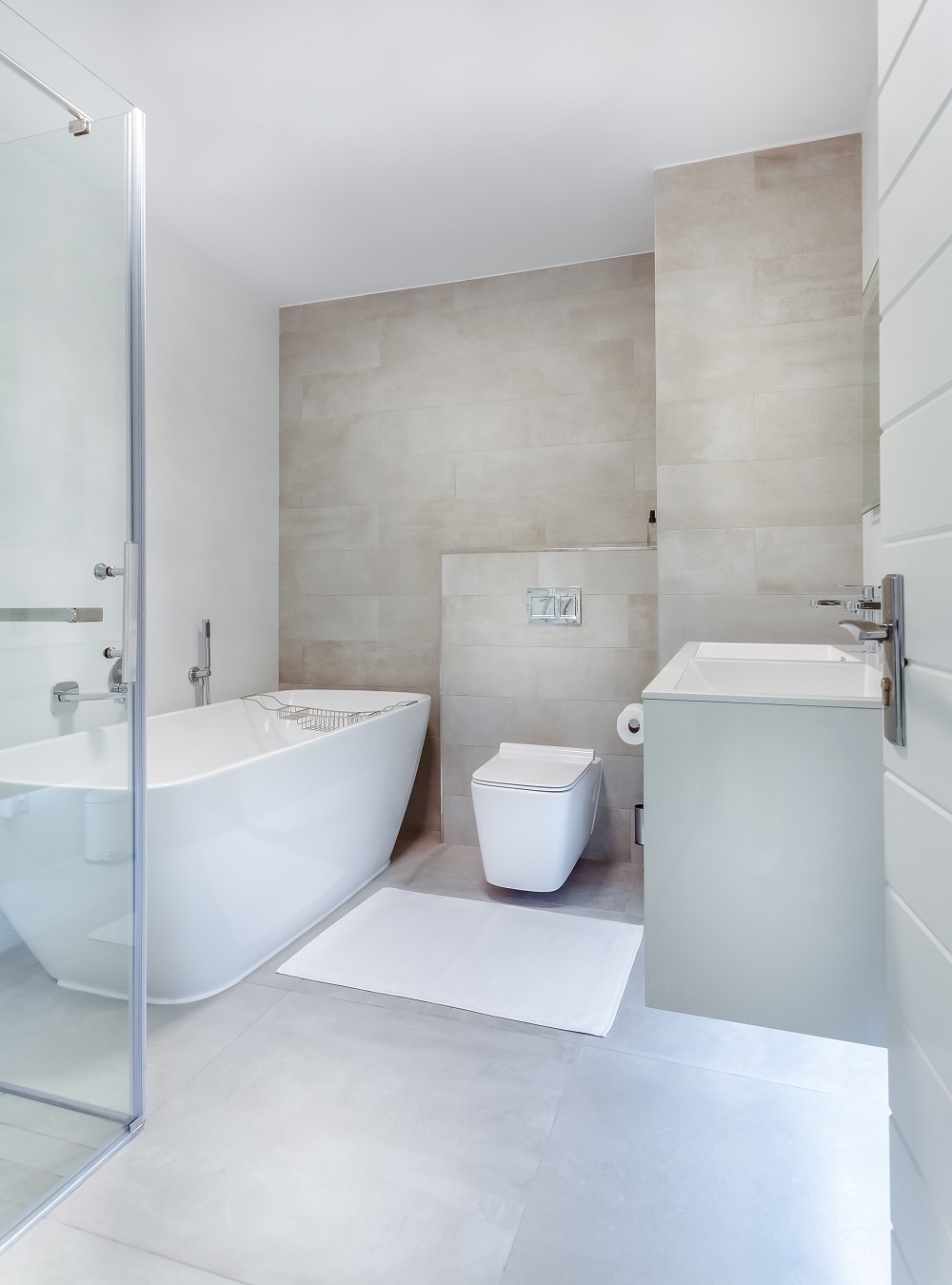
- Bathroom Shower or Tub: The cost of a new shower or tub will depend on the size, material, and style. A basic fiberglass shower or tub can cost as little as $200, while a custom tile shower or high-end soaking tub can cost $5,000 or more.
- Bathroom Lighting: The cost of bathroom lighting will depend on the number of fixtures and the style. A basic ceiling light fixture can cost as little as $20, while a high-end vanity light can cost $200 or more.
- Bathroom Plumbing Fixtures: The cost of bathroom plumbing fixtures will depend on the style and brand. A basic sink faucet can cost as little as $50, while a high-end showerhead or faucet can cost $500 or more.
Tips for Keeping Costs Under Control
- Plan Ahead: Plan ahead to reduce costs where possible. Be sure to have a plan for your renovation, including a budget and a timeline. This will help you avoid unexpected expenses and keep the project on track.
- Stick to a Budget: Determine a budget for your project. Factor in costs including materials, labor, permits, and fees. If you are working with a contractor, make sure they are aware of how much you intend to spend.
- Prioritize: Decide if certain factors involved in your bathroom renovation are more important to you than others, and prioritize them. Maybe, for instance, redoing the shower is a must, but you don’t necessarily have to change out the drawers or cabinets.
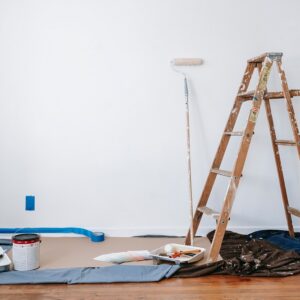
- DIY Where Possible: If parts of the project could be done without the help of a contractor, take advantage. What tasks? Try simple tasks such as painting, demolition, or installing light fixtures yourself. However, be sure to leave more complex tasks such as plumbing and electrical work to the professionals.
- Consider Alternative Materials: High-end materials such as marble or custom cabinetry can quickly drive up the cost of a bathroom renovation. Consider alternative materials such as porcelain tile or stock cabinetry to save money.
- Keep the Same Layout: Moving plumbing or electrical fixtures can significantly increase the cost of a bathroom renovation. If possible, try to keep the same layout to save on labor costs.
- Try Different Stores: Make the time to shop around for materials and fixtures. Compare prices and quality from different suppliers to ensure that you are getting the best value for your money.
- Hire a Reputable Contractor: Hiring a contractor you can trust is key when it comes to keeping costs under control. Look for a contractor with experience in bathroom renovations, a good reputation, and positive references – perhaps a friend or neighbor has used someone they like. Be sure to get a detailed quote and contract upfront to avoid unexpected expenses.
The cost of a bathroom remodel can vary widely depending on a number of factors, including the size of the bathroom, materials used, labor costs, plumbing and electrical upgrades, and permits and fees. The average cost to remodel a bathroom is $10,764, with most homeowners spending between $6,157 and $15,285. To keep costs under control, plan ahead, stick to a budget, prioritize, consider DIY projects, use alternative materials, keep the same layout, shop around, and hire a reputable contractor. By following these tips, you can achieve a beautiful and functional bathroom renovation that fits within your budget.