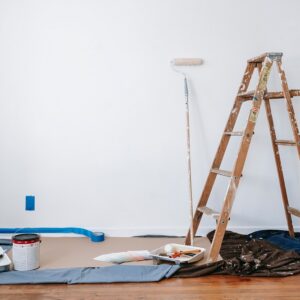
Remodeling your house can be an exciting and rewarding experience, but it can also be overwhelming to decide where to start. Whether you are renovating your entire home or just making some minor updates, the order in which you remodel your house can have a significant impact on the success of your project. In this article, we will outline the recommended order to follow when remodeling your house.
- Evaluate Your Needs and Goals
Before you start any remodeling project, it’s important to evaluate your needs and goals for your home. Make a list of the areas in your home that need updating or renovation, and prioritize them based on your needs and budget. For example, if your kitchen is outdated and cramped, it may be the top priority for your remodeling project. On the other hand, if your bathroom needs a refresh but is still functional, it may be lower on your list.
Consider your long-term goals for your home as well. Do you plan to sell your home in the near future, or do you plan to live in it for many years to come? This can help you prioritize certain renovations and focus on projects that will add value to your home and improve your quality of life.
- Plan Your Budget
Once you have evaluated your needs and goals, you can start planning your budget for your remodeling project. Determine how much money you can comfortably spend on your renovation, and allocate funds accordingly to each project on your list. Keep in mind that unexpected expenses can arise during a remodeling project, so it’s a good idea to set aside some extra funds as a contingency.
- Focus on Structural and Mechanical Issues
Before making any cosmetic updates to your home, it’s important to focus on any structural or mechanical issues that may need attention. This can include anything from replacing outdated electrical wiring to fixing a leaky roof or updating plumbing systems. These issues may not be visible, but they can have a significant impact on the safety and functionality of your home.
It’s important to address these issues first, as they can affect the timeline and cost of your project. It’s also important to hire a reputable contractor or professional to handle these issues, as they require specialized knowledge and expertise.
- Renovate the Kitchen
The kitchen is often considered the heart of the home, and for good reason. It’s where families gather to cook, eat, and spend time together. Updating your kitchen can also have a significant impact on the value of your home.
When renovating your kitchen, focus on both aesthetics and functionality. Consider replacing outdated appliances, updating cabinets and countertops, and adding modern lighting fixtures. You may also want to consider opening up the space by removing walls or adding an island for additional counter space and seating.
- Refresh the Bathroom
After updating the kitchen, the next area to focus on is the bathroom. A bathroom renovation can add value to your home and improve your daily routine. Focus on updating outdated fixtures and hardware, adding new lighting fixtures, and installing new flooring or tiles.
If space allows, consider adding a separate shower and bathtub or installing a double vanity for added functionality. Adding modern amenities such as a heated towel rack or a smart toilet can also add a luxurious touch.
- Add More Space
If your home feels cramped or outdated, consider adding more space to your home. This can be achieved by adding an extension, converting a garage or attic into living space, or adding a second story to your home.
Before adding more space, it’s important to evaluate the zoning and building codes in your area, as well as any potential permits that may be required. It’s also important to work with a reputable contractor or professional to ensure that the project is completed safely and efficiently.
- Update Flooring and Paint
Once the major structural and cosmetic updates have been completed, it’s time to focus on smaller cosmetic updates such as updating flooring and paint. New flooring can dramatically change the look and feel of your home, and can be relatively easy and affordable to update. Consider replacing outdated carpet with hardwood floors or modern tiles, or adding a new rug to a room for a cozy touch.
Painting is another easy and affordable way to update the look of your home. A fresh coat of paint can make a room feel brighter, cleaner, and more modern. Consider updating your paint color to a more modern or trendy shade, or simply refreshing your current color with a new coat.
- Add Finishing Touches
Once the major updates have been completed, it’s time to add the finishing touches to your home. This can include adding new lighting fixtures, updating window treatments, and adding decorative elements such as artwork or accessories.
Consider adding new light fixtures to update the look and feel of your home, or adding dimmer switches to create a cozy and inviting ambiance. Updating window treatments can also add a fresh touch to your home, whether you opt for modern shades or traditional curtains.
Adding decorative elements such as artwork, pillows, and accessories can add personality and style to your home. Consider adding a statement piece such as a bold painting or unique sculpture, or adding throw pillows and blankets for a cozy touch.
The order in which you remodel your house can have a significant impact on the success of your project. It’s important to start by evaluating your needs and goals, and prioritizing structural and mechanical issues first. From there, focus on updating your kitchen and bathroom, adding more space if needed, and then updating smaller cosmetic elements such as flooring and paint. Finally, add finishing touches such as lighting, window treatments, and decorative elements to bring personality and style to your home. By following this order, you can create a beautiful and functional home that meets your needs and exceeds your expectations.
Photo by Curtis Adams