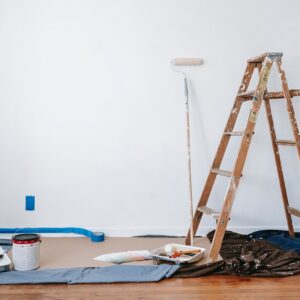
Remodeling a house can be a significant investment of time and money, but it can also be an exciting and rewarding experience. Whether you are planning a major renovation or just making some minor updates, proper preparation is key to ensure a smooth and successful remodeling process. In this article, we will outline some essential steps to prepare your house for remodeling.
- Set Your Goals and Budget
Before you start any remodeling project, it’s important to determine your goals and establish a budget. Start by making a list of the areas in your home that you want to update and the changes you want to make. This will help you prioritize your remodeling plans and ensure that you stay on track throughout the process.
Once you have a clear idea of what you want to achieve, set a budget that is realistic and feasible for your financial situation. Keep in mind that unexpected expenses can arise during a remodeling project, so it’s a good idea to set aside some extra funds as a contingency.
- Find a Reputable Contractor
One of the most important steps in preparing your house for remodeling is finding a reputable contractor. Look for a contractor with a proven track record of successful projects, positive reviews from previous clients, and proper licensing and insurance. You can ask for referrals from friends and family, or do some research online to find contractors in your area.
Once you have a list of potential contractors, schedule consultations with them to discuss your project and get estimates. This is also a good opportunity to ask any questions you have about the remodeling process and to get a sense of how well you will work together.
- Secure Necessary Permits
Depending on the scope of your remodeling project, you may need to secure permits from your local government. This is typically the case for major renovations, such as adding square footage to your home or making structural changes. Your contractor should be able to advise you on what permits are necessary and how to obtain them.
- Clear Out the Space
Before the remodeling process begins, it’s important to clear out the space that will be renovated. This includes removing furniture, appliances, and any other items that could be damaged during the construction process. You may also need to cover floors and furniture in adjacent rooms to protect them from dust and debris.
- Set Up a Temporary Kitchen
If your remodeling project involves your kitchen, you will need to set up a temporary kitchen in another area of your home. This can be as simple as using a hot plate and a mini-fridge, or as complex as installing a full kitchen in another room. Talk to your contractor about your options and plan accordingly.
- Establish Communication with Your Contractor
Effective communication with your contractor is crucial to a successful remodeling project. Make sure you have a clear line of communication established and that you are both on the same page regarding timelines, expectations, and any issues that may arise. Regular check-ins and updates can help ensure that the project stays on track and that any problems are addressed promptly.
- Protect Your Home and Property
Remodeling can be a messy and disruptive process, but there are steps you can take to protect your home and property. Make sure your contractor takes measures to minimize dust and debris and to protect floors, walls, and other surfaces. You may also want to consider installing temporary barriers or plastic sheeting to contain the construction area.
- Prepare for the Unexpected
No matter how well you plan, unexpected issues can arise during a remodeling project. This could include anything from uncovering hidden damage to encountering unexpected delays. It’s important to be flexible and prepared for these types of issues, both financially and mentally. Make sure you have a contingency plan in place and that you are ready to adapt to any changes that may occur.
- Stay Involved and Informed
While your contractor will be responsible for the majority of the remodeling project, it’s important for you to stay involved and informed throughout the process. Attend regular check-ins with your contractor and ask questions about the progress of the project. If you notice any issues or concerns, bring them up as soon as possible so they can be addressed before they become bigger problems.
- Plan for Post-Remodeling Cleanup
Once the remodeling project is complete, there will likely be a significant amount of cleanup required. This may include removing debris, dusting and cleaning surfaces, and restoring your home to its pre-remodeling condition. Make sure you have a plan in place for post-remodeling cleanup, whether that involves hiring a professional cleaning service or tackling the task yourself.
- Pack Up Valuables and Fragile Items
During a remodeling project, your home will likely experience some level of vibration and movement, which can be potentially damaging to delicate or fragile items. Before the remodeling process begins, pack up any valuables or fragile items, such as artwork, collectibles, or heirlooms, and store them in a safe and secure location.
- Label and Organize Boxes
As you pack up items in preparation for remodeling, make sure to label and organize boxes to make unpacking and reorganizing after the project is complete easier. This can help you quickly locate items you need and avoid the frustration of searching through multiple boxes to find what you’re looking for. Consider using color-coded labels or a numbering system to further streamline the process.
Preparing your house for remodeling requires careful planning, effective communication, and a willingness to be flexible and adaptable. By following these essential steps, you can help ensure that your remodeling project is successful and that you achieve the results you desire. With proper preparation, you can transform your home into the space of your dreams. Just make sure to stay organized, keep things labeled, and plan to not be able to use certain portions of the home temporarily.