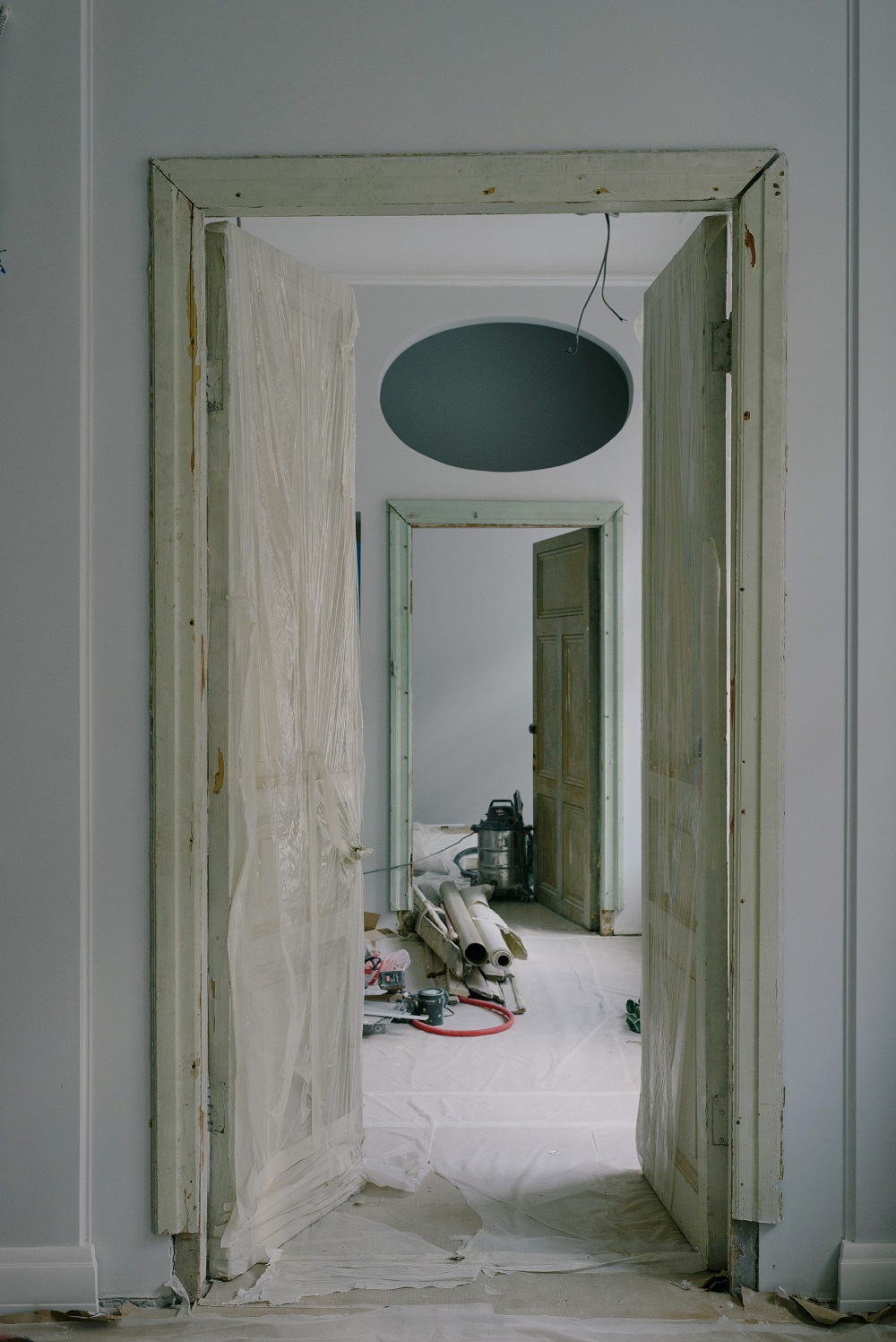
When considering a home renovation or addition, one of the primary decisions you’ll need to make is whether to add on to the house or build up. Both options have their benefits and drawbacks, and the decision will depend on a variety of factors, including your goals for the space, your budget, and your existing home structure. In this article, we will explore the pros and cons of adding on to a house versus building up.
Adding On to a House:
Adding on to a house involves extending the existing structure of the house horizontally, typically by adding a new room or wing. Here are some of the pros and cons of adding on to a house:
Pros:
- More Space: Adding on to a house can provide more space for your family and increase the value of your home.
- Flexibility: Adding on to a house can be more flexible in terms of design, allowing you to customize the space to your specific needs and preferences.
- Cost-Effective: Adding on to a house can be more cost-effective than building up, as it requires less structural work and typically does not require additional foundation work.
Cons:
- Space Limitations: Adding on to a house may be limited by the size of your lot or the layout of your existing house.
- Disruption: Adding on to a house can be disruptive to your daily life, especially if you are living in the house during the construction process.
- Permits: Adding on to a house may require additional permits and approvals from local authorities.
Building Up:
Building up involves adding a second story to your existing home, typically by extending the existing structure vertically. Here are some of the pros and cons of building up:
Pros:
- More Space: Building up can provide more space for your family and increase the value of your home.
- Structural Advantages: Building up can provide additional structural advantages, such as improving views or adding natural light.
- No Space Limitations: Building up may not be limited by the size of your lot or the layout of your existing house.
Cons:
- Cost: Building up can be more expensive than adding on to a house, as it requires more structural work and typically requires additional foundation work.
- Disruption: Building up can be more disruptive to your daily life, especially if you are living in the house during the construction process.
- Permits: Building up may require additional permits and approvals from local authorities.
Ultimately, the decision to add on to a house or build up will depend on a variety of factors, including your goals for the space, your budget, and your existing home structure. It’s important to carefully consider the pros and cons of each option and consult with professionals such as architects and contractors to make an informed decision. Both options can provide a valuable investment that enhances your quality of life and increases the value of your home.
Factors to Consider:
When deciding whether to add on to a house or build up, there are several factors you should consider. Here are some of the most important:
- Budget: One of the primary factors to consider is your budget. Building up can be more expensive than adding on to a house, as it typically requires more structural work and foundation work. On the other hand, adding on to a house may require more permits and approvals, which can also add to the cost. It’s important to carefully evaluate your budget and determine which option is the most cost-effective for your needs.
- Space Requirements: Another important factor to consider is your space requirements. If you need additional living space, but your lot size is limited, adding on to a house may be the best option. However, if you have a larger lot and want to take advantage of views or natural light, building up may be the better option.
- Home Structure: The structure of your home will also play a role in your decision. If your home has a strong foundation and structure, building up may be a viable option. However, if your home is not structurally sound, adding on to a house may be a safer option.
- Building Codes and Permits: Both adding on to a house and building up may require additional permits and approvals from local authorities. It’s important to consult with professionals such as architects and contractors to ensure that your project is compliant with all building codes and regulations.
- Disruption to Daily Life: Both adding on to a house and building up can be disruptive to your daily life, especially if you are living in the house during the construction process. It’s important to consider the disruption to your daily routine and make plans to mitigate the impact on your life.
In terms of return on investment (ROI), adding on to a house typically provides a higher ROI than building up. This is because adding on to a house is often less expensive than building up and can provide additional living space that is more in line with what homebuyers are looking for. Additionally, adding on to a house can be more flexible in terms of design, allowing you to customize the space to your specific needs and preferences. However, the ROI will ultimately depend on the specific project and market conditions in your area, so it’s important to carefully evaluate your options and consult with professionals to make an informed decision.
Whether you decide to add on to your house or build up, both options can provide valuable benefits for your home and your family. By carefully considering your budget, space requirements, home structure, building codes, and potential disruptions to your daily life, you can make an informed decision that meets your needs and enhances the value of your home. Consulting with professionals such as architects and contractors can also provide valuable guidance and ensure that your project is completed safely and efficiently.
Photo by Ksenia Chernaya